
Public Universities in Germany Offering Data Science Programs
Data is shaping decisions across industries—from business strategy and healthcare to mobility and public policy. As demand for skilled data professionals grows globally, students are increasingly looking for affordable and future-ready education. Germany stands out as one of the most attractive destinations for this purpose.
With a strong public education system, close industry collaboration, and a practical learning approach, Germany has become a preferred choice for analytics aspirants. For international students, pursuing a Master’s in Data Science in Germany is not just an academic decision—it is a strategic career move.
Why Choose Data Science in Germany?
Germany offers a rare combination of academic excellence and affordability. Most public universities provide high-quality education taught by experienced researchers and industry professionals. Programs emphasize real-world datasets, applied projects, and problem-solving rather than purely theoretical learning.
Another key advantage is industry exposure. Germany is home to global leaders in automotive, manufacturing, finance, and technology. This ecosystem makes data science in Germany highly practical and industry-oriented.
According to DAAD (German Academic Exchange Service), Germany continues to attract international students due to its strong academic reputation and post-study career opportunities.
What Is a Data Science Program?
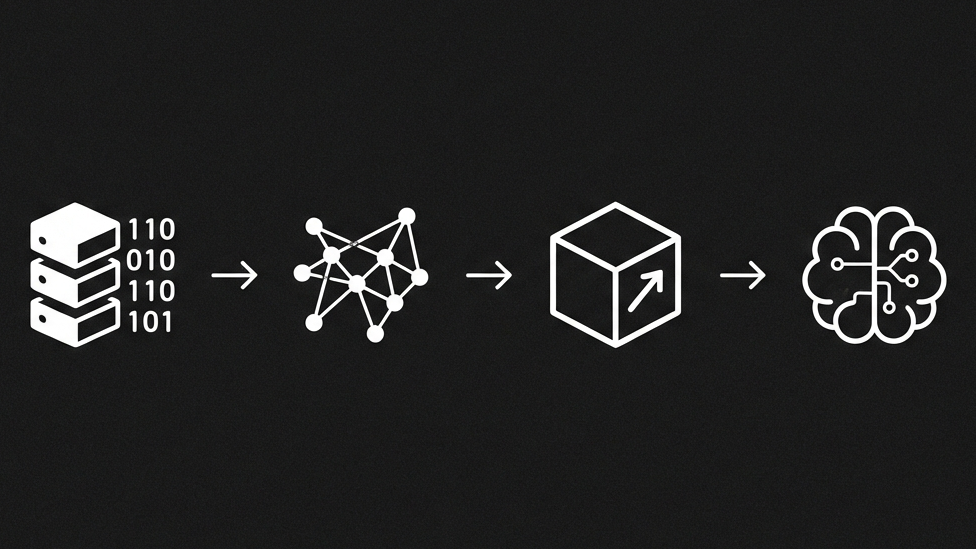
A data science program focuses on transforming raw data into meaningful insights. Students typically study statistics, programming, machine learning, data visualization, and business intelligence.
Most programs combine mathematics, computer science, and domain-specific applications. Many universities also include topics such as data ethics, privacy regulations, and real-world case studies. This applied approach makes data science programs in Germany highly relevant to industry needs.
Admission Requirements for Data Science Programs
Admission requirements vary by university, but some common criteria apply across public institutions. Most programs require a bachelor’s degree in engineering, computer science, mathematics, statistics, or related fields.
Basic knowledge of programming languages such as Python or R is often expected. A strong background in mathematics and statistics strengthens applications. English language proficiency scores may also be required, depending on the program.
While work experience is usually optional, it can add value to an application. International students should carefully follow documentation requirements and deadlines when applying to a public university in Germany.
Public Universities in Germany Offering Data Science Programs
Germany hosts several reputed public universities offering strong Data Science and Analytics programs. Many of these institutions are consistently ranked among the top universities worldwide.
Popular choices include:
- Technical University of Hamburg(TUHH)
- Friedrich-Alexander-Universität Erlangen-Nürnberg
- Technical University of Dortmund
- RWTH Aachen University
- University of Mannheim
- University of Stuttgart
- Humboldt University of Berlin
According to the QS World University Rankings, many German public universities rank highly for computer science, engineering, and data-related disciplines.
Most programs are offered as an MSc in Data Science in Germany, with a strong focus on research, industry projects, and advanced analytics tools. Students should carefully review curriculum structure, electives, and industry partnerships before finalizing their choices.
Tuition Fees and Cost of Study
One of Germany’s biggest advantages is affordability. Most public universities charge little to no tuition fees. Students usually pay a semester contribution covering administrative costs and public transport.
This makes studying in Germany significantly more affordable compared to other popular study destinations. Living expenses vary by city, but part-time work opportunities help students manage costs effectively.
More information about studying costs can be found on the official Study in Germany portal.
Career Opportunities After Data Science in Germany
Graduates of data science programs in Germany have access to diverse and high-impact career opportunities. They are employed across industries such as automotive, finance, healthcare, logistics, retail, and public policy.
Common job roles include data analyst, data scientist, machine learning engineer, business intelligence analyst, and AI consultant. Graduates from research-oriented universities may also pursue doctoral studies.
Germany offers long-term career stability. Employers value structured thinking, precision, and ethical data usage. Salaries remain competitive, and career growth is steady and sustainable.
Conclusion
Germany has quietly become one of the strongest destinations for data science education. With world-class faculty, low study costs, and close industry collaboration, public universities offer more than just a degree.
For students planning a Master’s in Data Science in Germany, the opportunity extends beyond academics. It opens pathways to innovation, global careers, and long-term professional growth. The choice is not only about where you study—it is about where your future begins.
Need Personalized Guidance?
Choosing the right public university and data science program in Germany depends on your academic background, career goals, and intake timeline. A well-planned strategy can significantly improve your chances of admission.
DeutschlandGenics helps students shortlist suitable public universities, evaluate eligibility, and prepare strong applications for Master’s programs in Data Science across Germany.